
 Stampanti e Multifunzioni
 Lavagne Interattive
 Materiali di Consumo
 Carta A4
 Toner e Cartucce
 Unità Tamburo
 Vaschetta Recupero Toner
 Plotter
 Scanner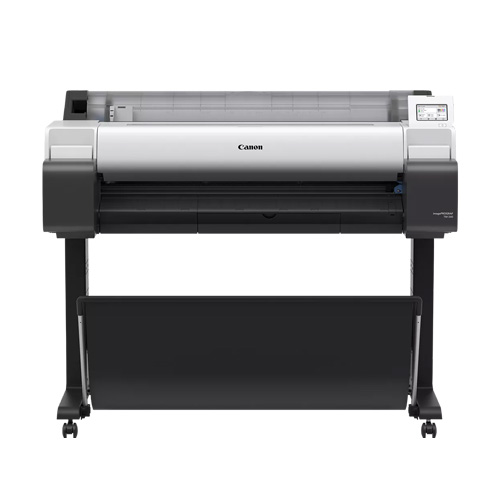
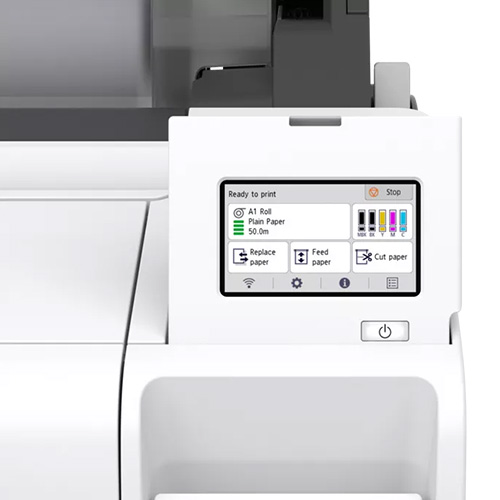
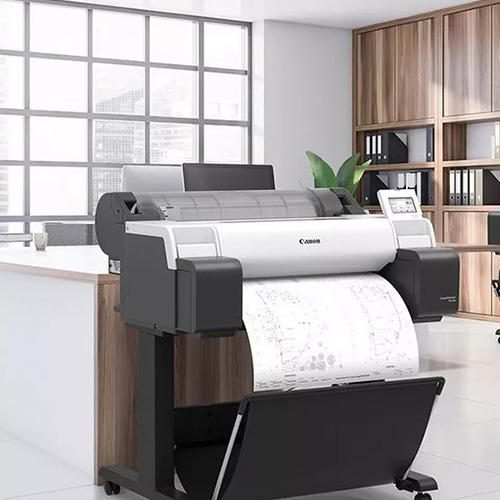
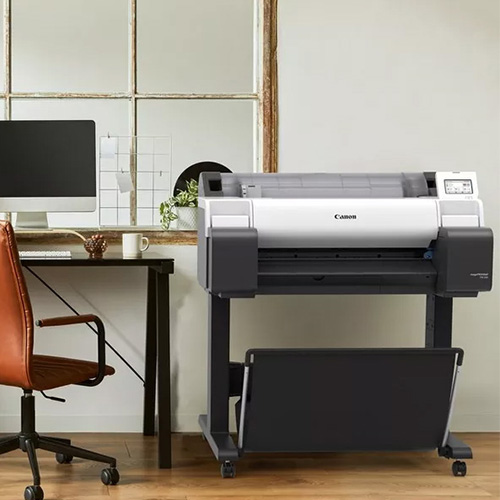
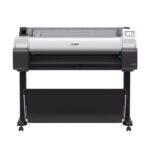
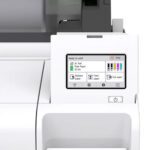
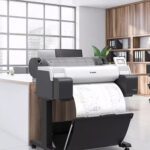
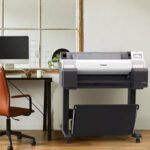
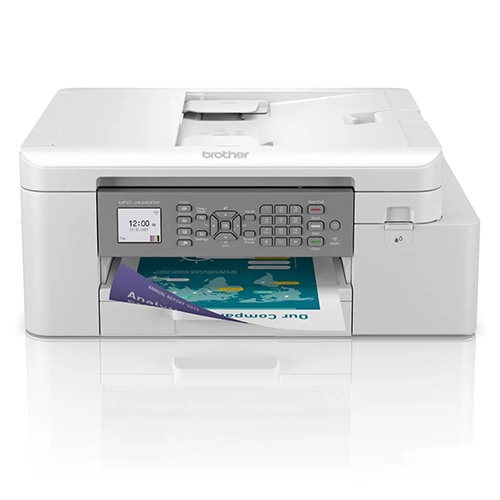
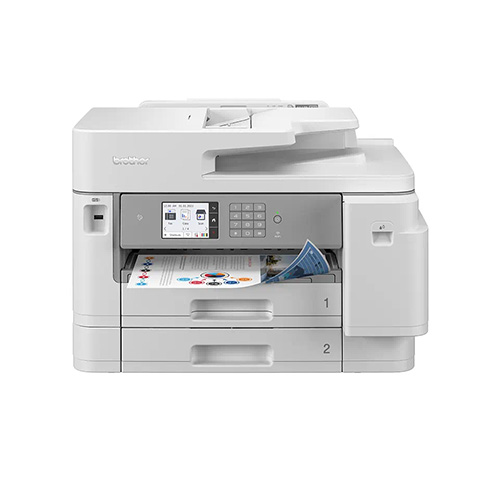

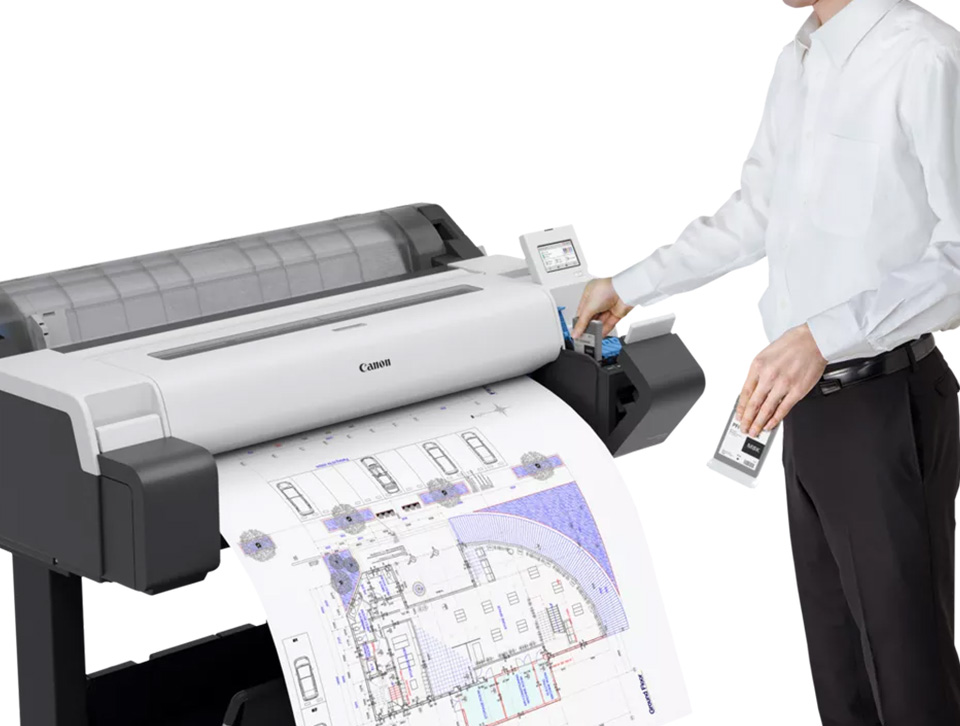
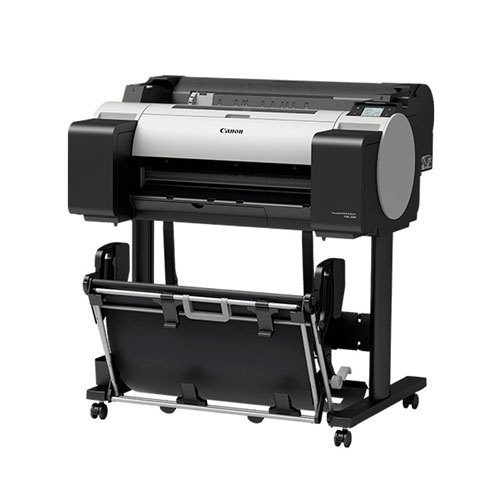
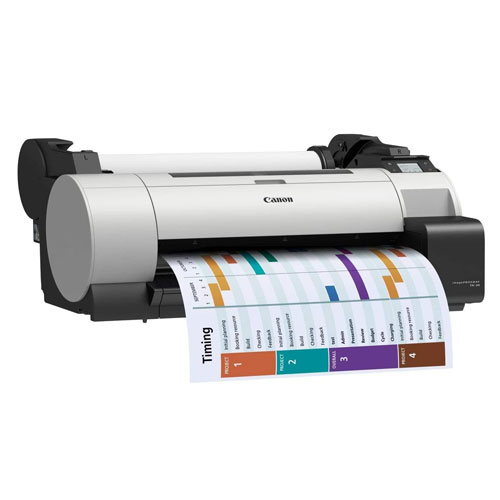
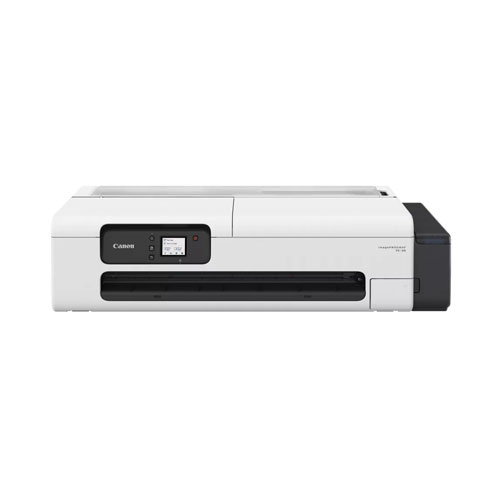
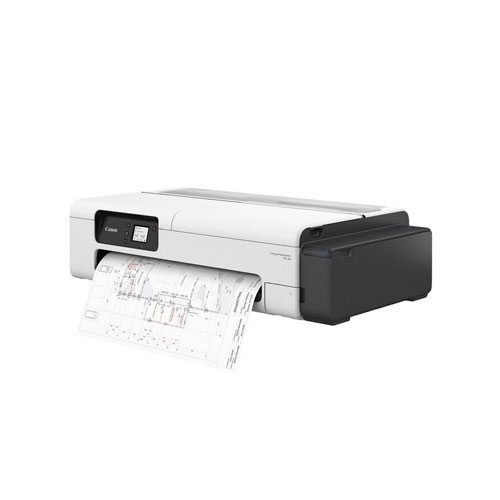
Plotter Canon imagePROGRAF TM-340 con Stand SD-36 incluso
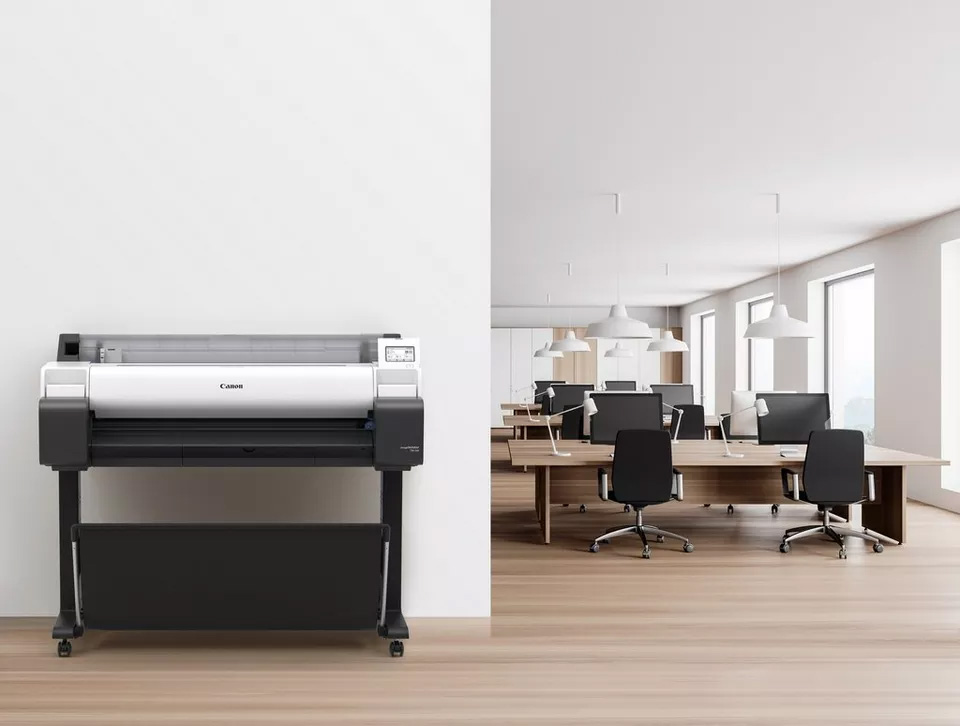
Qualità professionale migliorata
Specifiche dettagliate
- Tipo di stampante
36″ a 5 colori
- Tecnologia di stampa
Tipo integrato Canon Bubble Jet a 6 colori (6 chip per testina di stampa x 1 testina di stampa)
- Risoluzione di stampa
2.400 x 1.200 dpi
- Numero di ugelli
Totale: 15.360 ugelli MBK: 5.120 ugelli BK, C, M, Y: 2.560 ugelli ciascuno
- Precisione delle linee
±0,1% o inferiore
Sono necessarie regolazioni da parte dell’utente. L’ambiente di stampa e i supporti di stampa devono corrispondere a quelli utilizzati per le regolazioni.
- Passo degli ugelli
1.200 dpi x 2 linee
- Dimensioni gocce di inchiostro
Minimo 5 pl per colore
- Capacità inchiostro
Inchiostro in dotazione: 300 ml (80 ml per MBK, 55 ml x4 per BK, C, M, Y) Inchiostro in vendita: 55 ml (MBK, BK, C, M, Y)
- Tipo di inchiostro
Inchiostro a pigmenti: 5 colori MBK/BK/C/M/Y
- Compatibilità sistema operativo
32 bit: Windows 7, Windows 8.1, Windows 10
64 bit: Windows 7, Windows 8.1, Windows 10, Windows 11, Windows Server 2008R2, 2012, 2012R2, 2016, 2019, 2022
Apple Macintosh: macOS 10.15.7~macOS 13
- Altri protocolli di invio dei lavori supportati
Apple AirPrint
- Linguaggi di stampa
HP-GL/2, HP RTL, JPEG (ver. JFIF 1.02), CALS G4 (invio solo tramite FTP)
- Interfacce standard
Porta USB A: N/D
Porta USB tipo B: USB ad alta velocità
Ethernet: IEEE802.3ab (1000base-T), IEEE802.3u (100BASE-TX)/IEEE802.3 (10BASE-T)
Rete LAN wireless: IEEE802.11n/IEEE802.11g/IEEE802.11b
*Per l’attivazione e la disattivazione della LAN wireless, consultare il manuale utente
Memoria
- Memoria standard
2 GB
Slot di espansione: No
- Disco rigido
N/D
Velocità di stampa
- Disegno CAD
Carta comune (A1)
0:21 (Fast Economy Mode) 2,7 ppm
Carta comune (A0)
0:41 (Fast Economy Mode)
0:42 (Fast)
1:25 (Standard)
- Manifesto
Carta comune (A0)
0:43 (Fast Economy Mode)
0:43 (Fast)
1:25 (Standard)
Carta patinata spessa (A0)
1:42 (Fast)
3:10 (Standard)
Gestione dei supporti
- Alimentazione e uscita supporti di stampa
Carta in rotolo: un rotolo, caricamento superiore, uscita frontale
Foglio singolo: caricamento superiore, uscita frontale (alimentazione manuale tramite leva di bloccaggio supporti)
- Larghezza supporti di stampa
Carta in rotolo: 203,2 – 917 mm
Foglio singolo: 210 – 917 mm
- Spessore supporti di stampa
Rotolo/foglio: 0,07 mm – 0,8 mm
- Lunghezza minima stampabile
Carta in rotolo: 203,2 mm
Foglio singolo: 279,4 mm
- Lunghezza massima stampabile
Carta in rotolo: 18 m (varia in base al sistema operativo e all’applicazione)
Foglio singolo: 1,6 m
- Diametro massimo del rotolo di carta
150 mm
- Dimensione interna supporti di stampa
Diametro interno del rotolo: 2″/3″ (opzionale)
- Area margini consigliata
Carta in rotolo: superiore: 20 mm, inferiore: 3 mm, laterale: 3 mm
Foglio singolo (AppleAirPrint): superiore: 20 mm, inferiore: 31 mm, laterale: 3 mm
Foglio singolo (altri): superiore: 20 mm, inferiore: 20 mm, laterale: 3 mm
- Margini area stampabile
Carta in rotolo: superiore: 3 mm, inferiore: 3 mm, laterale: 3 mm
Carta in rotolo (stampa senza bordi): superiore: 0 mm, inferiore: 0 mm, laterale: 0 mm
Foglio singolo (AppleAirPrint): superiore: 3 mm, inferiore: 12,7 mm, laterale: 3 mm
Foglio singolo (altri): superiore: 3 mm, inferiore: 20 mm, laterale: 3 mm
- Capacità di alimentazione supporti di stampa
Carta in rotolo: un rotolo
Foglio singolo: 1 foglio
- Larghezza stampa senza bordi (solo rotolo)
[Consigliato] 515 mm (JIS B2), 728 mm (JIS B1), 594 mm (ISO A1), 841 mm (ISO A0), 10″, 14″, 17″, 24″, 36″
[Stampabile] 257 mm (JIS B4), 297 mm (ISO A3), 329 mm (ISO A3+), 420 mm (ISO A2), 515 mm (JIS B3), 8″, 12″, 15″, 16″, 18″, 20″, 22″, 30″, 34″, 300 mm, 500 mm, 600 mm, 800 mm
Oltre a quanto sopra, la stampa senza bordi in formato personalizzato è supportata solo su carta in rotoli secondo la definizione dell’utente
- Numero massimo di stampe fornite
Posizione standard: 1 foglio
Requisiti di funzionamento e alimentazione
- Alimentazione
100-240 Vca (50-60 Hz)
- Consumo energetico
In funzione: 65 W o inferiore
In modalità sospensione: massimo 2,2 W
Impostazione predefinita del tempo di passaggio in modalità sospensione: circa 5 minuti
Spento: max 0,1 W
- Ambiente operativo
Temperatura: 15~30 ℃. Umidità: 10~80% di umidità relativa (senza condensa)
- Emissioni acustiche (potenza/pressione)
In funzione: circa 39 dB (A) (carta comune, modalità standard, modalità disegno a tratto/testo)
(misura ottenuta in conformità con la norma ISO 7779)
Standby: max 35 dB(A)
In funzione: 6,0 Bel o inferiore (carta comune, modalità standard, modalità disegno a tratto/testo)
(misura ottenuta in conformità con la norma ISO 7779)
- Normative
Marchio CE, marchio UKCA
- Certificazioni ambientali
Certificazione CB, EPEAT Gold1
Dimensioni e peso
- Dimensioni fisiche e peso
L x P x A
Unità principale con supporto
1285 x 868 x 1060 mm (pannello operativo inclinato verso in basso/cestello aperto)
1285 x 756 x 1060 mm (pannello operativo inclinato verso in basso/cestello chiuso)
59,2 kg (incluso set portarullo, esclusi inchiostro e testina di stampa)
- Dimensioni e peso della confezione
Stampante (unità principale con supporto e pallet): 1462 x 912 x 801 mm, 100 kg
Materiali inclusi
- Contenuto della confezione
Stampante, supporto stampante, 1 testina di stampa, cavo di alimentazione, 1 set di serbatoi di inchiostro in dotazione, guida all’installazione, opuscolo sicurezza/standard ambientali, foglio indirizzi LFP Eur, foglio con informazioni importanti, guida alla configurazione del supporto della stampante, avviso per PosterArtist WEB
- Software incluso
Software disponibile scaricabile dal Web
Opzioni
- Accessori opzionali
Supporto rotolo 2/3″: RH2-35
Supporto IC Card Reader: RA-02
Consumabili
- Componenti sostituibili dall’utente
Serbatoio d’inchiostro: M: PFI-031 (55 ml), MBK/BK/C/Y: PFI-030 (55 ml)
Testina di stampa: PF-06
Lama unità di taglio: CT-08
Cartuccia di manutenzione: MC-31

Recensioni
Ancora non ci sono recensioni.